Recent Post

Tournament Preparation Checklist for Baccarat Players ...
Preparing for a competitive baccarat tournament requires a completely different mindset than traditional casino play where you only face the dealer. In a tournament setting, your primary objective is to outpace fellow competitors within a designated number of hands rather than just beating the house edge. Having a structured checklist before the event begins ensures you remain focused and fully prepared for high-stakes decisions.
Reviewing Tournament Rules and Formats
Every tournament operates under a specific set of structural guidelines that dictate betting minimums, maximum limits, and round advancements. Understanding whether the event utilizes sequential elimination rounds or a continuous chip accumulation format completely changes your overall wagering approach. Missing a subtle rule modification or time limit constraint can instantly jeopardize your standing on the leaderboard.
Additionally, you must pay close attention to the mandatory rotation of the first-bet marker during each session. Knowing precisely when you are required to act first or last allows you to plan your bet sizing dynamically based on your opponents' chip stacks. Reviewing these mechanical details beforehand prevents costly tactical errors when the live action begins.
Establishing a Target Chip Count Strategy
Successful tournament players never enter a competitive session without establishing a clear mathematical goal for their chip stack. You must estimate the number of chips required to advance to the next stage based on historical event outcomes and average player counts. Having this target baseline keeps your wagering highly disciplined throughout the volatile opening deals.
To practice these strategic calculations in a realistic online environment, players frequently utilize the Link M88 Mansion platform to refine their approach. Utilizing reliable training grounds helps build the necessary tracking habits before entering an official high-stakes venue. Monitoring your progression against distinct betting patterns builds the exact tactical instincts needed for tournament success.
Mastering Position and Counter-Betting Tactics
Table position provides a massive informational advantage that directly dictates your situational wagering decisions during a match. When you act after your closest competitors, you gain the rare opportunity to mirror their bets or execute contrarian bet sizing. This tactical flexibility is absolutely crucial when you need to protect a narrow lead or close an extensive chip gap.
Effective counter-betting requires tracking the remaining hands in the round while monitoring the exact chip distribution of the leaders. If the current table leader wagers heavily on the Banker side, placing a calculated wager on the Player position can quickly shift the momentum. Perfecting this timing ensures you maximize high-variance moments when your opponents are most vulnerable.
Maintaining Mental Endurance and Focus
The intense psychological pressure of elimination rounds can easily cloud tactical decision-making over prolonged gaming sessions. Strict emotional discipline separates seasoned tournament champions from casual participants who lose patience during low-variance stretches. Staying calm after an unfavorable deal allows you to execute your long-term plan without succumbing to panic.
Physical and mental fatigue frequently lead to critical computational mistakes during the decisive final hands of a round. You should incorporate physical wellness into your preparation checklist by staying properly hydrated and well-rested before the tournament begins. A sharp mind ensures you remain highly competitive when the table pressure reaches its peak.

Random Rewards That Enhance Gameplay ...
Modern video game design relies heavily on creating a compelling loop that keeps players entertained and invested over long periods. One of the most effective strategies employed by developers is the implementation of unpredictable prize systems, which add an element of surprise to standard progression milestones. When integrated correctly, these mechanics elevate the overall user experience by transforming routine tasks into thrilling moments of discovery.
The Psychology of Unpredictable Loot
Human psychology is naturally drawn to uncertainty, as the anticipation of an unknown outcome triggers a unique sense of excitement in the brain. When players do not know what specific item will drop after defeating a challenging opponent, their focus and engagement levels increase significantly. This variance ensures that the gameplay remains dynamic, preventing the core mechanics from feeling tedious or overly formulaous.
Furthermore, unexpected discoveries generate highly memorable moments that players often share within their respective gaming communities. A rare item acquired through sheer luck feels far more rewarding than one obtained through a predictable, repetitive checklist. This emotional high strengthens the bond between the player and the virtual environment, encouraging continued exploration.
Balancing Chance and Skillful Progression
While chance elements introduce excitement, developers must carefully calibrate the odds to maintain a sense of fairness. If the distribution system feels completely detached from a player's actual effort, it can result in frustration rather than enjoyment. A successful design ensures that participating in tougher challenges yields better potential outcomes, even if the exact reward remains variable.
Many contemporary titles utilize dynamic scaling systems to protect players from prolonged periods of poor luck. By subtly increasing the probability of a high-tier drop after successive misses, games can maintain motivation without devaluing rare achievements. Enthusiasts looking to experience similarly structured systems in a different setting can explore the options available at Link M88 Mansion to observe how probability balances entertainment values.
Sustaining Longevity in Live Service Games
For modern live-service titles, keeping content fresh over months or years is a major operational challenge. Random reward structures offer a sustainable solution by ensuring that repetitive activities feel distinct during each session. Because the potential outcomes vary, players find renewed value in revisiting older zones or completing weekly objectives.
Ultimately, the inclusion of unpredictable drops transforms how audiences interact with virtual worlds. When implemented with careful attention to player satisfaction and ethical design, these mechanics enrich the core loop and foster a dedicated community. As interactive media continues to evolve, the artful balance of chance and skill will remain a cornerstone of successful game development.

RNG Technology for Beginners ...
Modern digital platforms rely heavily on hidden mathematical foundations to ensure that user experiences remain entirely unbiased and dynamic. For newcomers entering the world of online entertainment, understanding the mechanisms behind random selection is essential to recognizing how digital integrity is maintained. At the core of this system is Random Number Generator technology, a specialized software engine designed to simulate unpredictable outcomes in real time.
The Core Basics of Algorithmic Randomness
In standard computing environments, achieving true unpredictable outcomes requires sophisticated mathematical formulas that operate without discernible patterns. Most digital platforms utilize Pseudo-Random Number Generators, which use a starting mathematical value known as a seed to calculate subsequent sequences. This calculation ensures that every virtual card dealt, dice rolled, or virtual prize distributed occurs independently of previous results.
Software developers continuously refine these mathematical equations to ensure that historical data has zero impact on future operations. This strict computational independence is crucial because it creates a reliable baseline where strategic play and fair probability can exist seamlessly. Consequently, everyday users can participate in online activities with complete confidence in the platform's underlying code.
Ensuring Transparency and Strict Compliance
Maintaining institutional trust requires operators within the interactive entertainment market to subject their platforms to thorough external evaluations. Independent international auditing bodies regularly verify these algorithmic structures to guarantee that numerical distributions remain statistically balanced across millions of computational cycles. Receiving these formal certifications serves as standard proof that the platform operates without any internal or external manipulation.
Clear transparency regarding system performance has become a major factor in user retention and platform credibility within the modern digital economy. Enthusiasts searching for highly secure options often visit verified portals like Link M88 Mansion to engage with software architectures that actively prioritize compliance. By showing a verifiable dedication to strict regulatory benchmarks, digital operators successfully protect consumer interests over the long term.
How Randomness Shapes Modern Software
Beyond simply preserving fairness, automated random distribution directly influences the design choices and general replayability of digital platforms. Dynamic environments, unexpected loot distribution, and shifting simulation difficulties all depend on high-speed computational calculations to keep tasks engaging. This continuous variety prevents users from easily forecasting the next outcome, which extends the shelf life of the software.
As cloud infrastructure and mobile application ecosystems continue to grow globally, the demand for fast random generation software rises accordingly. Software engineers are regularly challenged with integrating robust security parameters alongside low-latency execution frameworks on a wide variety of hardware devices. Ultimately, the systematic progression of this core technology will continue to be the main driver of innovation across all digital platforms.

Practical Sic Bo Strategies That Make Sense ...
Sic Bo is a compelling traditional casino game that relies on the unpredictable outcomes of three standard dice. Originating from ancient China, this popular pastime has captivated players worldwide due to its straightforward mechanics and dynamic wagering platform. Understanding how the dice interact with the intricate table grid is the first step toward enjoying this historical game of pure chance.
The Core Components of the Game
The entire gameplay loop revolves around a specialized glass container or shaker that houses three six-sided dice. Before the dealer or a digital system activates the shaker, participants must analyze the table layout to place their chips. Once all wagers are placed, the dice are vibrated or shaken to reveal a completely randomized three-number combination.
Every single round is an independent event, meaning that previous numbers have no statistical influence on the upcoming roll. Newcomers often look for non-existent trends, but seasoned enthusiasts know that probability resets completely with each new shake. The ultimate goal is simply to predict the specific numbers or totals that will appear when the shaker comes to a rest.
Navigating the Diverse Betting Layout
The complex design of the betting board is built to accommodate dozens of distinct wagering options simultaneously. At the very top, players will typically find specific triple bets, which offer massive payouts but carry a substantial house advantage. Surrounding these high-risk options are single-die wagers, combination pairs, and specific total scores ranging from four to seventeen.
For beginners seeking a balanced approach, focusing on the outer edges of the layout provides the most stable introduction. Placing your wagers on reputable platforms like the Link M88 Mansion portal allows you to observe how these low-risk areas perform during live sessions. Utilizing these fundamental sections helps minimize early losses while you familiarize yourself with the faster pacing of professional tables.
Small and Big Wagers Explained
The most popular entry points for any player are the classic Small and Big propositions located on the corners of the table grid. A Small wager wins if the collective value of the three dice falls strictly between four and ten. Conversely, a Big wager requires the total sum to land anywhere between eleven and seventeen to secure a payout.
It is crucial to remember that both of these options lose instantly if any triple combination appears on the felt. Despite this minor caveat, these even-money options offer the lowest house edge available on the board. They provide a predictable environment for practicing basic discipline without exposing your bankroll to sudden volatility.
Developing Sustainable Session Habits
While the mechanics themselves require no complex strategies, managing your modern gaming approach is vital for long-term entertainment. Setting strict loss thresholds and session win goals helps maintain clear decision-making throughout the fast-paced rounds. Dividing your total budget into fixed units prevents emotional betting after a series of unfavorable outcomes.
Familiarizing yourself with the explicit payout ratios printed across the table surface will naturally build your confidence over time. Practicing on free digital versions offers a risk-free environment to study the exact placement of each combination box. Ultimately, mastering the fundamentals relies on patience, realistic expectations, and respecting the mathematical realities of the dice.
Practical Sic Bo Strategies That Make Sense ...
Sic Bo is a compelling traditional casino game that relies on the unpredictable outcomes of three standard dice. Originating from ancient China, this popular pastime has captivated players worldwide due to its straightforward mechanics and dynamic wagering platform. Understanding how the dice interact with the intricate table grid is the first step toward enjoying this historical game of pure chance.
The Core Components of the Game
The entire gameplay loop revolves around a specialized glass container or shaker that houses three six-sided dice. Before the dealer or a digital system activates the shaker, participants must analyze the table layout to place their chips. Once all wagers are placed, the dice are vibrated or shaken to reveal a completely randomized three-number combination.
Every single round is an independent event, meaning that previous numbers have no statistical influence on the upcoming roll. Newcomers often look for non-existent trends, but seasoned enthusiasts know that probability resets completely with each new shake. The ultimate goal is simply to predict the specific numbers or totals that will appear when the shaker comes to a rest.
Navigating the Diverse Betting Layout
The complex design of the betting board is built to accommodate dozens of distinct wagering options simultaneously. At the very top, players will typically find specific triple bets, which offer massive payouts but carry a substantial house advantage. Surrounding these high-risk options are single-die wagers, combination pairs, and specific total scores ranging from four to seventeen.
For beginners seeking a balanced approach, focusing on the outer edges of the layout provides the most stable introduction. Placing your wagers on reputable platforms like the Link M88 Mansion portal allows you to observe how these low-risk areas perform during live sessions. Utilizing these fundamental sections helps minimize early losses while you familiarize yourself with the faster pacing of professional tables.
Small and Big Wagers Explained
The most popular entry points for any player are the classic Small and Big propositions located on the corners of the table grid. A Small wager wins if the collective value of the three dice falls strictly between four and ten. Conversely, a Big wager requires the total sum to land anywhere between eleven and seventeen to secure a payout.
It is crucial to remember that both of these options lose instantly if any triple combination appears on the felt. Despite this minor caveat, these even-money options offer the lowest house edge available on the board. They provide a predictable environment for practicing basic discipline without exposing your bankroll to sudden volatility.
Developing Sustainable Session Habits
While the mechanics themselves require no complex strategies, managing your modern gaming approach is vital for long-term entertainment. Setting strict loss thresholds and session win goals helps maintain clear decision-making throughout the fast-paced rounds. Dividing your total budget into fixed units prevents emotional betting after a series of unfavorable outcomes.
Familiarizing yourself with the explicit payout ratios printed across the table surface will naturally build your confidence over time. Practicing on free digital versions offers a risk-free environment to study the exact placement of each combination box. Ultimately, mastering the fundamentals relies on patience, realistic expectations, and respecting the mathematical realities of the dice.

Winning Every Round in Bridge Games ...
Achieving consistent victories in the classic card game of bridge requires a deep understanding of card distribution, advanced logic, and psychological resilience. While winning every single deal is mathematically rare due to the luck of the draw, mastering key tactical habits allows competitive players to maximize their trick-taking potential in every round. By combining refined bidding techniques with precise defensive adjustments, you can regularly outperform your opponents at the table.
The Foundation of Perfect Bidding Sequences
Successful execution in contract bridge starts long before the first trick is played on the table. Establishing clear communication channels with your partner during the auction phase reveals essential clues about card distribution and strength. Utilizing consistent systems ensures that your partnership lands in the absolute best contract available for your hand.
When you correctly evaluate hand shape rather than relying entirely on high card points, your positioning becomes much more accurate. Recognizing subtle limit bids and competitive overrides allows your side to maintain control of the auction even under pressure. Enthusiasts looking to test their strategic coordination across different platforms can access the Link M88 Mansion portal to discover unique modern gaming options.
Mastering Information Gathering and Declarer Play
Once the final contract is established, the declarer must immediately formulate a comprehensive layout strategy. Counting the cards as they are played allows you to deduce the remaining unseen distribution inside the defenders' hands. This precise calculation prevents unnecessary mistakes and helps you determine the perfect moment to draw outstanding trumps.
Patience plays a massive role when navigating complex suits that require deep finesse options. Avoiding the urge to rush into early tricks preserves vital entry points to the dummy for late-game maneuvers. Experienced competitors always prioritize managing their entries efficiently to capture extra points whenever possible.
Executing Dynamic Defensive Strategies
Winning tough rounds consistently depends heavily on your ability to defend effectively when the opponents win the contract bid. Your partnership's opening lead sets the definitive tactical tone and can instantly disrupt the declarer's initial plans. Developing a shared understanding of second-hand low and third-hand high principles protects your defensive assets.
Paying close attention to discarding signals enables partners to exchange crucial data without violating table rules. Active defense sometimes requires taking calculated risks to establish a long suit before the declarer can discard losing cards. Adapting your positioning dynamically ensures that no defensive opportunity goes to waste during tight matchups.
Developing the Psychological Edge
Maintaining complete emotional focus throughout an entire session is what separates professional bridge players from casual enthusiasts. A single bad round should never influence your decision-making processes in subsequent deals of the tournament. Keeping an analytical mindset allows you to capitalize on the small errors made by frustrated opponents.
Reviewing previous hands with your partner fosters long-term improvement and builds unmatched collaborative chemistry over time. Understanding the hidden psychology behind competitive bidding sequences helps you anticipate strategic bluffs at higher levels. Ultimately, steady practice and continuous adaptation remain the most reliable pillars of permanent card game success.
Mobile Card Games with Exciting Rewards ...
The digital gaming landscape has experienced a massive evolution, transitioning from simple puzzle screens to highly immersive tactical environments. Among the most popular genres today are mobile card games, which perfectly combine intellectual depth with highly engaging progression systems. Modern players are no longer just looking for a way to pass the time; they actively seek out experiences that offer tangible virtual payouts for their strategic efforts.
The Psychology of In-Game Rewards
Game developers carefully study player motivation to create systems that keep the community engaged over long periods. Dynamic incentive structures, such as daily check-in gifts and tiered quest completion milestones, utilize basic behavioral loops to maximize user satisfaction. When a player unlocks a rare digital card or earns exclusive currency after a hard-fought match, it provides a distinct sense of accomplishment.
Furthermore, these prize systems ensure that players feel their time investment is genuinely respected by the creators. By balancing the drop rates of rare items, developers maintain an equilibrium where both casual users and hardcore competitive enthusiasts find value. Exploring high-tier incentives through trusted digital portals like the Link M88 Mansion platform can provide an excellent parallel for understanding modern digital engagement mechanics.
Daily Missions and Seasonal Milestones
To maintain consistent engagement, top-tier mobile titles introduce short-term goals that refresh every twenty-four hours. These tasks typically encourage players to test diverse strategies, play specific factions, or win a set number of competitive rounds. Completing these quick objectives allows users to steadily grow their collections without feeling forced into exhaustive gaming marathons.
On a grander scale, seasonal battle passes offer long-term progression tracks that reward dedication across several weeks. As players accumulate experience points throughout the month, they gradually unlock premium character skins, unique card back aesthetics, and rare resource bundles. This multi-layered approach ensures there is always a fresh objective on the horizon, preventing the core gameplay loop from feeling repetitive.
Competitive Leagues and Tournament Payouts
For individuals who thrive under intense pressure, the ranked ladder serves as the ultimate proving ground for deck-building capability. Rising through the competitive ranks unlocks progressively better rewards at the end of each monthly competitive cycle. The highest tiers often feature exclusive titles and unique cosmetic badges that showcase a player's strategic mastery to the entire global community.
Additionally, community tournaments organized within the game client offer structured environments for high-stakes card battles. Participating in these virtual brackets allows players to test their customized decks against top-tier opponents while competing for massive resource jackpots. This healthy competitive ecosystem drives the meta-game forward, encouraging players to constantly refine their tactical approaches.

Should You Always Take Odds in Craps? ...
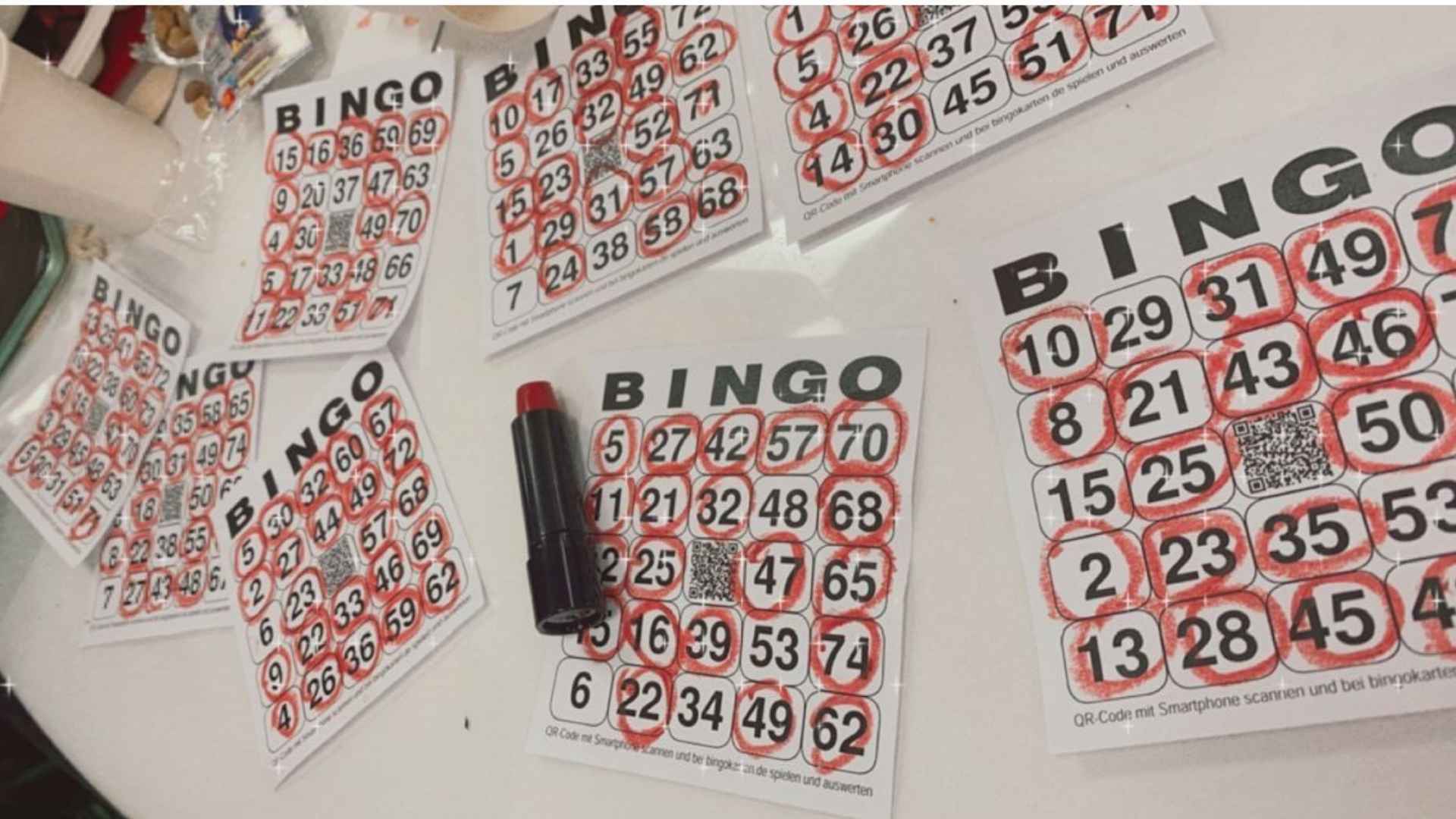
Standing at a bustling craps table offers one of the most exhilarating experiences in a modern casino environment. Among the vast array of wagering choices available to players, the odds bet stands out as a unique option due to its lack of a built-in casino advantage. However, deciding whether to always deploy this option requires a closer look at bankroll dynamics and individual session goals.
The Mathematical Appeal of Zero House Edge
The primary reason players gravitate toward this option is that the house edge is exactly zero percent. Because the casino pays out winning wagers at true mathematical probabilities, it represents the fairest bet on the gaming floor. Maximizing this wager effectively lowers the overall statistical advantage the casino holds against your combined capital.
For individuals looking to explore digital variations of these classic table layouts, utilizing a reputable platform like Link M88 Mansion can provide a structured environment to study odds mechanics. Utilizing these options allows you to tilt the statistical variance back in your favor during extended gaming sessions. However, relying solely on mathematical fairness does not guarantee a winning session every single time.
Understanding the Impact on Bankroll Variance
While the mathematical value of taking the odds is undeniable, it dramatically increases the financial volatility of your session. Because you are required to back up an initial line bet with a larger secondary wager, a lot of capital is exposed on a single number. A sudden cold streak can deplete your session chips much faster than standard conservative betting strategies.
To withstand these swings, players must possess a much larger bankroll than someone playing the flat line wagers alone. If your total funds are limited, backing your bets heavily might force you to leave the table prematurely. Therefore, the decision to take maximum odds should always depend on your total risk tolerance for the night.
When to Limit or Avoid the Odds Wager
Casual players who prioritize entertainment longevity over mathematical optimization might choose to minimize or skip this backup wager entirely. Keeping your total chip exposure low ensures that you can enjoy more dice rolls and stay at the table for a longer duration. This conservative approach is highly beneficial when you are testing new strategies or navigating an unfamiliar casino floor.
Additionally, if the table limit requires a high minimum bet, adding multiple times odds can quickly overextend your financial comfort zone. Chasing mathematical perfection at the expense of your peace of mind is rarely a sustainable gambling habit. Recognizing when to scale back your secondary wagers protects your overall experience from unnecessary emotional stress.
Balancing Strategy with Session Objectives
Ultimately, there is no single rule that dictates how you should manage your chips on every come-out roll. Assessing your personal financial goals and understanding the table dynamics will guide your wagering decisions. Balancing statistical advantages with disciplined money management remains the absolute best approach to long-term casino enjoyment.
Experienced players often recommend setting clear loss limits and win goals before placing your chips on the felt layout. Combining the zero-edge benefit with strict personal discipline allows you to maximize your winning potential while minimizing heavy losses. Sticking to a balanced plan ensures that the game remains thrilling without jeopardizing your financial stability.
Rolling the Odds in Probability Games ...
Dice-based mechanics have served as the foundation for gaming experiences across generations, blending the thrill of chance with tactical decision-making. Exploring how probability shapes these outcomes can significantly transform a player's strategic approach and general performance. By breaking down the math behind the rolls, enthusiasts can learn to manage expectations and appreciate the design of their favorite games.
The Mathematical Foundations of the Roll
Every standard six-sided die offers an equal one-in-six chance for any individual number to appear on a single toss. However, when multiple dice are introduced, the distribution of potential outcomes changes dramatically into a bell curve shape. Understanding these statistical distributions allows participants to accurately evaluate risk before finalizing their next move.
Experienced players track these numerical shifts to anticipate which totals are mathematically more frequent during extended sessions. This foundational knowledge shifts the mindset away from relying on pure luck toward calculating concrete advantages. Over time, recognizing these patterns turns random uncertainty into an engaging exercise in structured analysis.
Balancing Randomness and Player Decisions
Modern game design often relies on a delicate balance between unpredictable elements and active player agency. When probability rules are applied fairly, individuals can mitigate poor outcomes through clever resource allocation and forward planning. This dynamic interaction keeps competitive environments engaging and prevents sessions from feeling entirely pre-determined.
Many digital platforms employ certified random number generators to replicate this classic tabletop unpredictability for modern global audiences. Finding a transparent portal like the Link M88 Mansion network provides an opportunity to observe these mathematical principles operating in real-time digital spaces. Studying how these platforms balance risk ensures that enthusiasts develop realistic expectations regarding modern digital systems.
Developing Long-Term Risk Assessment Skills
Cultivating a strategic mindset requires tracking frequency over time rather than focusing on the result of a single isolated turn. Beginners often fall into the trap of assuming a specific outcome is due simply because it has not appeared recently. Recognizing this cognitive bias helps maintain emotional stability and supports logical choice execution under pressure.
Practicing with simple probability simulations is an excellent method for refining these critical observation skills safely. By cataloging results across hundreds of trial rolls, players begin to see the law of large numbers take effect. This educational approach ultimately transforms gaming pastimes into practical exercises for everyday decision-making scenarios.
Maintaining Healthy Strategic Boundaries
Approaching probability games with a grounded perspective ensures that the experience remains primarily an entertaining and educational pursuit. Setting clear personal boundaries regarding time and engagement helps keep participation sustainable and stress-free over long periods. A disciplined mindset is ultimately the most valuable asset any participant can bring to an unpredictable table.
By treating each session as an opportunity to study mathematical variance, players can celebrate clever strategic choices regardless of immediate outcomes. This healthy philosophy fosters long-term enjoyment and deepens appreciation for the complex mechanics driving mathematical entertainment. With patience and consistent study, the world of odds becomes accessible, engaging, and profoundly rewarding.

Lucky Charm Scratch Card Adventures ...
The allure of testing one's fortune has captivated humanity for generations, evolving from ancient dice games to modern instant-win activities. Among these entertainment options, scratch cards themed around lucky charms hold a special place in popular culture due to their engaging visual designs and direct gameplay. Understanding how these vibrant games function can significantly enhance the recreational experience for casual players looking for quick entertainment.
The Appeal of Lucky Symbols in Gaming
Lucky charm themes draw heavily on universal folklore, featuring recognizable symbols such as four-leaf clovers, horseshoes, and golden coins. Psychologists suggest that these visual elements provide a sense of familiarity and comfort, making the gaming process feel more engaging and personalized. While the outcome of every reveal relies purely on random generation, the thematic artwork adds a layers of storytelling to each attempt.
For many participants, the attraction lies in the balance between traditional imagery and modern digital execution. Online platforms have successfully translated these classic icons into highly responsive animated formats that react dynamically to user interactions. This combination ensures that the traditional aesthetic remains intact while offering the convenience expected by contemporary audiences.
How Technology Enhances Instant Reveal Formats
The transition from physical cardboard to digital interfaces has allowed developers to create far more immersive gaming environments. Modern online variants utilize creative audio-visual effects, such as glowing particles or dramatic sound shifts, to build anticipation before the final symbols are unveiled. These subtle design enhancements keep the gameplay loop entertaining regardless of the actual numerical outcome.
Furthermore, digital distribution provides players with instant accessibility across multiple device types, including smartphones and tablets. If you want to explore these premium layouts firsthand, visiting a trusted hub via a secure Link M88 Mansion connection offers a seamless introduction to modern casual titles. Having immediate access to balanced options allows newcomers to study game mechanics safely at their own pace.
Understanding Probability and Maintaining Boundaries
Before participating in any chance-based activity, learning to read the underlying prize structures and official probability distributions is vital. Every authorized scratch game operates under predefined statistical parameters, which generally dictate the overall volume of winning combinations available in a pool. Familiarizing yourself with these public details helps establish realistic expectations prior to purchasing a ticket.
Setting strict limits on personal entertainment budgets remains the most effective strategy for ensuring a sustainable hobby. Because instant-win games deliver outcomes immediately, maintaining clear boundaries keeps the overall experience lighthearted and stress-free. Approaching these activities strictly as a form of paid leisure rather than a source of financial return guarantees long-term enjoyment.
Semua artikel sudah ditampilkan.