Dynamic Incentives That Make Player Progress More Exciting
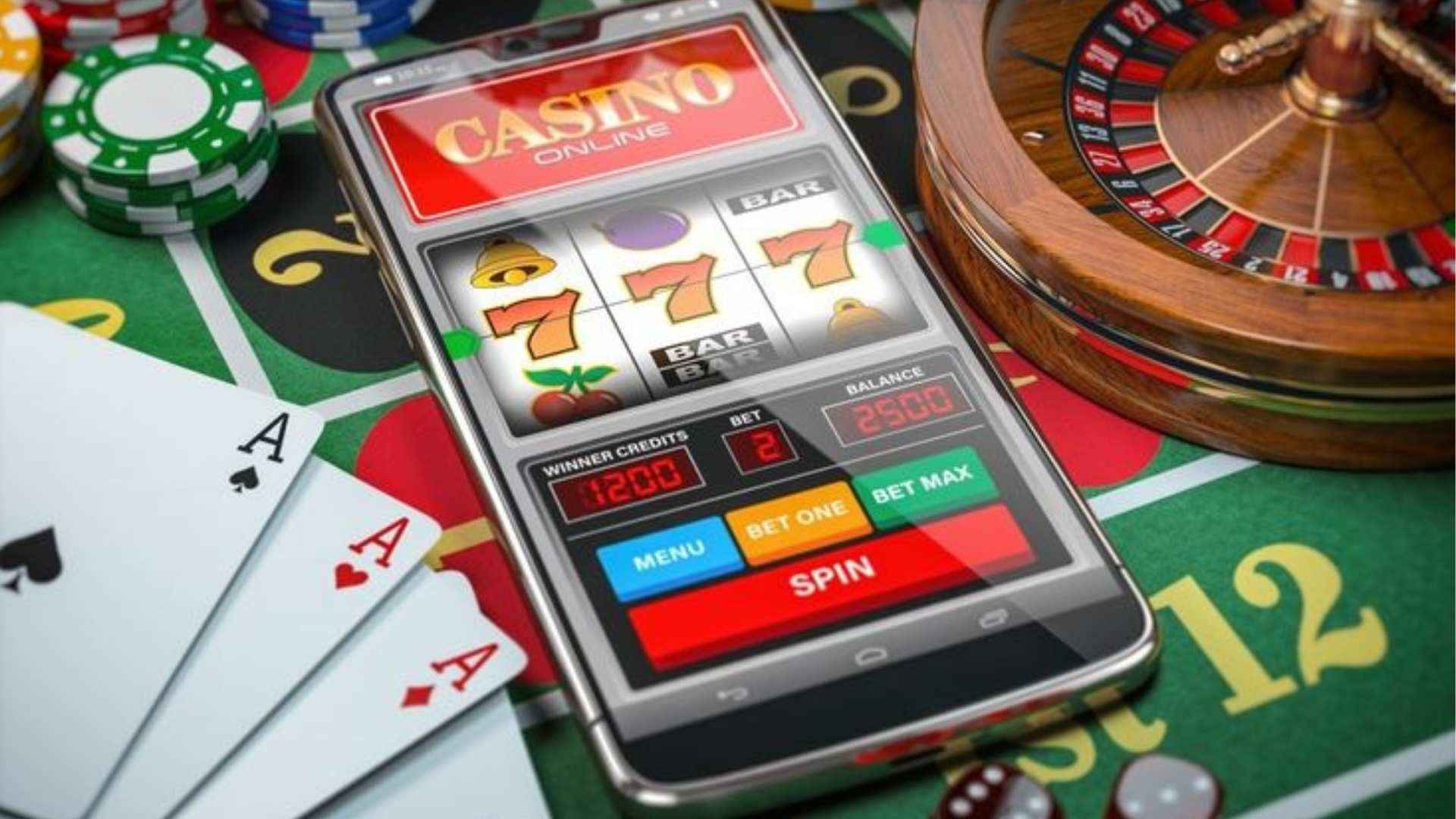
Modern gaming studios are shifting away from static reward structures in favor of dynamic incentive systems that adapt to player behavior. By offering evolving targets, flexible milestone bonuses, and personalized challenges, game designers ensure that advancement stays meaningful throughout a player's journey. This evolution in game design transforms routine progression into a thrilling experience where every achievement feels tailored and earned.
The Shift from Static Milestones to Adaptive Systems
Traditional progression mechanics often relied on predictable level requirements that eventually led to repetitive gameplay. Dynamic incentives overcome this monotony by constantly recalculating goals based on a player's skill level and current activity. This ensures that skilled veterans and casual gamers alike encounter an ideal level of challenge without experiencing artificial roadblocks.
By continually refreshing objectives, games foster a deeper sense of accomplishment during every session. Players stay engaged longer because their efforts directly influence the quality and timing of their next milestone reward. This responsiveness forms the core of modern player retention strategies across diverse digital platforms.
Boosting Long Term Motivation Through Real Time Flexibility
Real-time reward adjustments create an environment where unexpected victories can yield exceptional surprises. When systems recognize streak performance or strategic gameplay, they can grant contextual bonuses that match the momentum of the current session. Players looking to explore modern dynamic gaming options can check out link m88 terbaru hari ini for updated platform features. Such responsiveness prevents the gameplay loop from feeling like a predictable chore.
Furthermore, adaptive incentive structures reduce burnout by preventing long periods without tangible progress. When a system detects that a player is struggling with a specific hurdle, it can introduce secondary micro-objectives to maintain forward momentum. This balanced approach keeps enthusiasm high while preserving the overall challenge of the main storyline.
Personalized Rewards and the Psychology of Engagement
Personalization plays a vital role in making dynamic incentives feel valuable to individual players. Modern systems analyze playstyle preferences to distribute items, cosmetic unlocks, or power-ups that directly align with how someone prefers to play. A tactical player receives rewards that enhance strategy, while an aggressive player earns tools tailored to high-speed action.
This tailored delivery mechanism reinforces autonomy and competence, key psychological drivers of long-term enjoyment. When players recognize that their specific choices shape the rewards they earn, their personal investment in the game world deepens significantly. Consequently, progress feels less like a linear checklist and more like a unique personal narrative.
Sustaining Game Ecosystems with Evolving Content Cycles
Dynamic incentive systems also extend the lifespan of online games by supporting fluid content updates. Developers can introduce limited-time event mechanics that alter reward values based on community-wide progress or seasonal themes. These collective milestones encourage collaboration and shared excitement across the broader gaming community.
As game design continues to advance, the integration of intelligent, fluid reward structures will remain a dominant trend. By prioritizing adaptive challenges and meaningful compensation, developers create immersive environments where progress never loses its excitement.